


Posted by Michael Straus and Taylor Hutton in Tax: Credits & Incentives.
What if you could effectively pay your Virginia tax bill at a discount? That’s the idea behind the Virginia Land Preservation Tax Credit. By purchasing credits generated from conservation efforts, you can offset your taxes at full value, while paying less to acquire them.
How it Works
The Virginia Land Preservation Tax Credit Program provides landowners with a state income tax credit equal to 40% of the value of donated land or conservation easements that support qualified conservation efforts.
Since the tax credits are transferable, non-landowners can also benefit from these credits. Landowners who earn credits can sell them to other Virginia taxpayers, allowing buyers to use the credits to reduce their Virginia income tax liability on a dollar-for-dollar basis.
Because these credits are typically sold at a discount of at least 10%, purchasers can realize meaningful tax savings. For example, a taxpayer may purchase $10,000 of credits for $9,000 and then use the full $10,000 credit to offset their Virginia tax liability, resulting in immediate tax savings of $1,000.
Individuals, corporations, trusts, and estates may all be eligible to use these credits. In a typical transaction, a landowner donates land or a qualifying conservation easement, receives the credit, sells the credit to a purchaser, and the purchaser claims the credit against their Virginia tax liability.
Annual limits apply ($20,000 per taxpayer, $40,000 for married filers), and transfers must be completed before year-end.
For taxpayers with a consistent Virginia income tax liability, land preservation tax credits can be an effective and relatively predictable strategy for reducing state taxes.
Next Steps
To determine whether land preservation tax credits align with your goals or to explore other opportunities, contact Taylor Hutton or Michael Straus on the PBMares Credits & Incentives team.
Be sure to consult with your financial or tax advisor on this topic as individual situations may vary. The information contained in this article or webinar, and any related materials, are for informational purposes only, and cannot be relied upon for legal, financial, tax, accounting, or other professional services advice. The content is provided on an “as is” basis and PBMares makes no representations or warranties about the accuracy or sustainability of any information for your purposes. For any specific questions you may have, please contact us.
This content is accurate at the time of publication. Always ensure you are reviewing the most recent information available. Contact your tax or financial advisor if you need clarification.
Contact Us
About the Authors
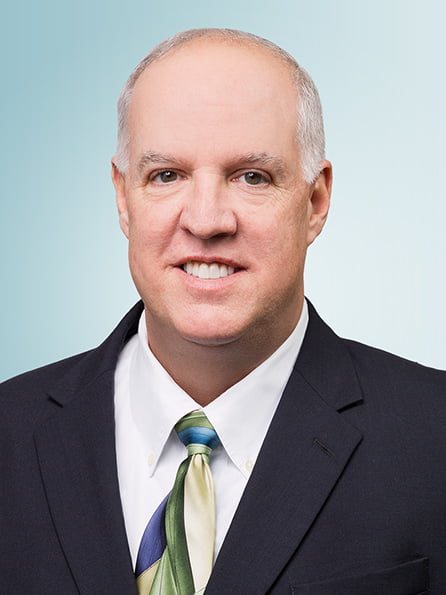
Michael Straus
CPA
Partner
Richmond
How Michael got here With a career of over 40 years dedicated to finding ways to save clients money, Michael was initially drawn to accounting for its challenges and rewards. A former CFO in the entertainment and foodservice industries, he is particularly skilled in improving company operations by streamlining tasks and increasing efficiency. As a … Continued
View Bio
Taylor Hutton
CPA, CVA
Senior Manager
Richmond
Taylor focuses on providing tax and accounting services to the firm’s not-for-profit, closely held business and individual clients. He enjoys using his problem solving skills to assist clients in solving their complex tax and accounting issues.
View Bio