Comparison and Analysis of the One Big Beautiful Bill and Its Impact on Businesses and Taxpayers
Learn how the recently passed One Big Beautiful Bill Act (OBBBA) tax changes may impact your personal or business planning with this comparison chart.
Learn how the recently passed One Big Beautiful Bill Act (OBBBA) tax changes may impact your personal or business planning with this comparison chart.
What’s in the One Big Beautiful Bill? Signed into law on July 4, 2025, this sweeping legislation includes more than 100 tax provisions. It builds on the Tax Cuts and Jobs Act (TCJA), modifying and in some cases permanently extending key provisions. The bill aims to update the tax code, stimulate business investment, and introduce new benefits for individual taxpayers. It also accelerates the phaseout of several clean energy incentives.
As of June 23, 2025, the Senate Finance Committee have released its version of the tax bill, aiming to match up with the House’s proposal that passed in May. Both versions extend major parts of the 2017 tax law and update certain business and individual tax breaks. But they take different approaches, and there are still some big differences to work through before anything becomes final. For taxpayers, it’s important to understand what each version includes in order to plan ahead, take advantage of new opportunities, and stay compliant.
Franchising is showing surprising strength in an otherwise uncertain economy. While many industries are slowing down, franchise businesses continue to grow across sectors and regions. With that momentum, many prospective business owners are asking whether now is the right time to invest in this established model.
Learn about how seller financing helps franchise owners bridge the gap between traditional financing and other deal types. Deal structure can vary, and thorough due diligence should still be conducted to vet potential buyers.
The House Ways and Means Committee has released a new draft tax bill that would extend several provisions from the Tax Cuts and Jobs Act (TCJA), many of which are set to expire in the coming years. The proposal includes new and expanded incentives for businesses, updates to individual tax rates and deductions, and a range of temporary relief measures scheduled to run through 2028.
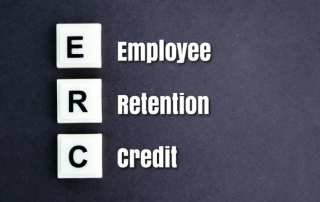
Learn about the new IRS issued guidance on how businesses will be able to handle the Employee Retention Credit (ERC) on income tax returns going forward, released March 20, 2025.
Explore this guide from the Franchise Team at PBMares that breaks down why the FDD matters, key areas to focus on, and how to use the FDD to make informed franchise decisions.
Rapid policy changes and legal challenges are making the business environment increasingly unpredictable. Shifts in trade, labor, and tax policies can create both opportunities and disruptions. While uncertainty is inevitable, businesses that stay informed, assess risks, and build flexibility into their operations will be better equipped to adapt
In 2024, for the second year in a row, the franchise industry outperformed expectations thanks to upticks in consumer spending and slight improvements in the availability of labor. According to a report from the IFA, franchising is likely to keep growing and add more than 20,000 units and 210,000 jobs in 2025. Learn interesting industry statistics and other key takeaways from the report.
As Internet Explorer will discontinue browser security updates by August of 2021, this site is best viewed using Google Chrome, Safari or Microsoft Edge.